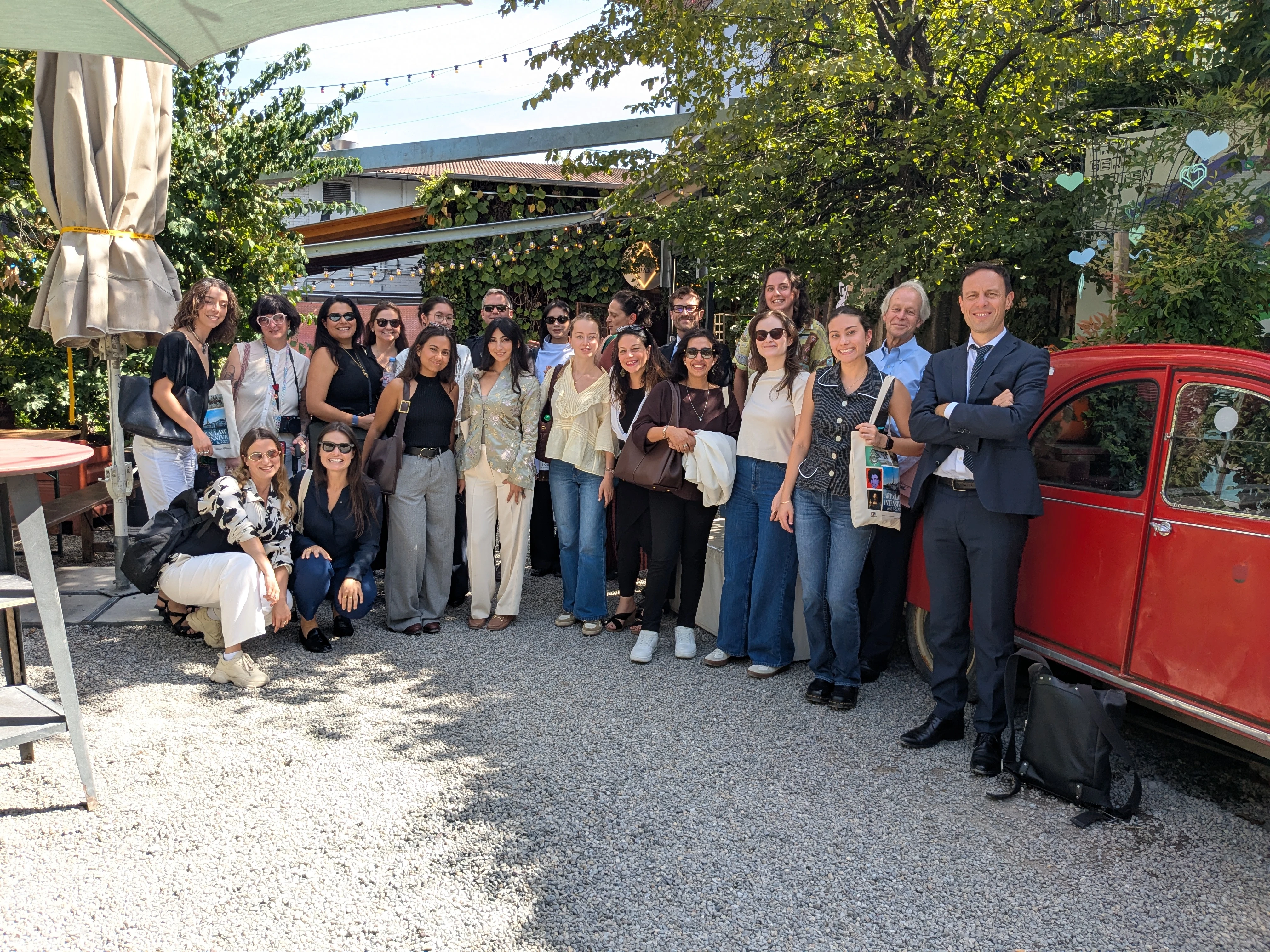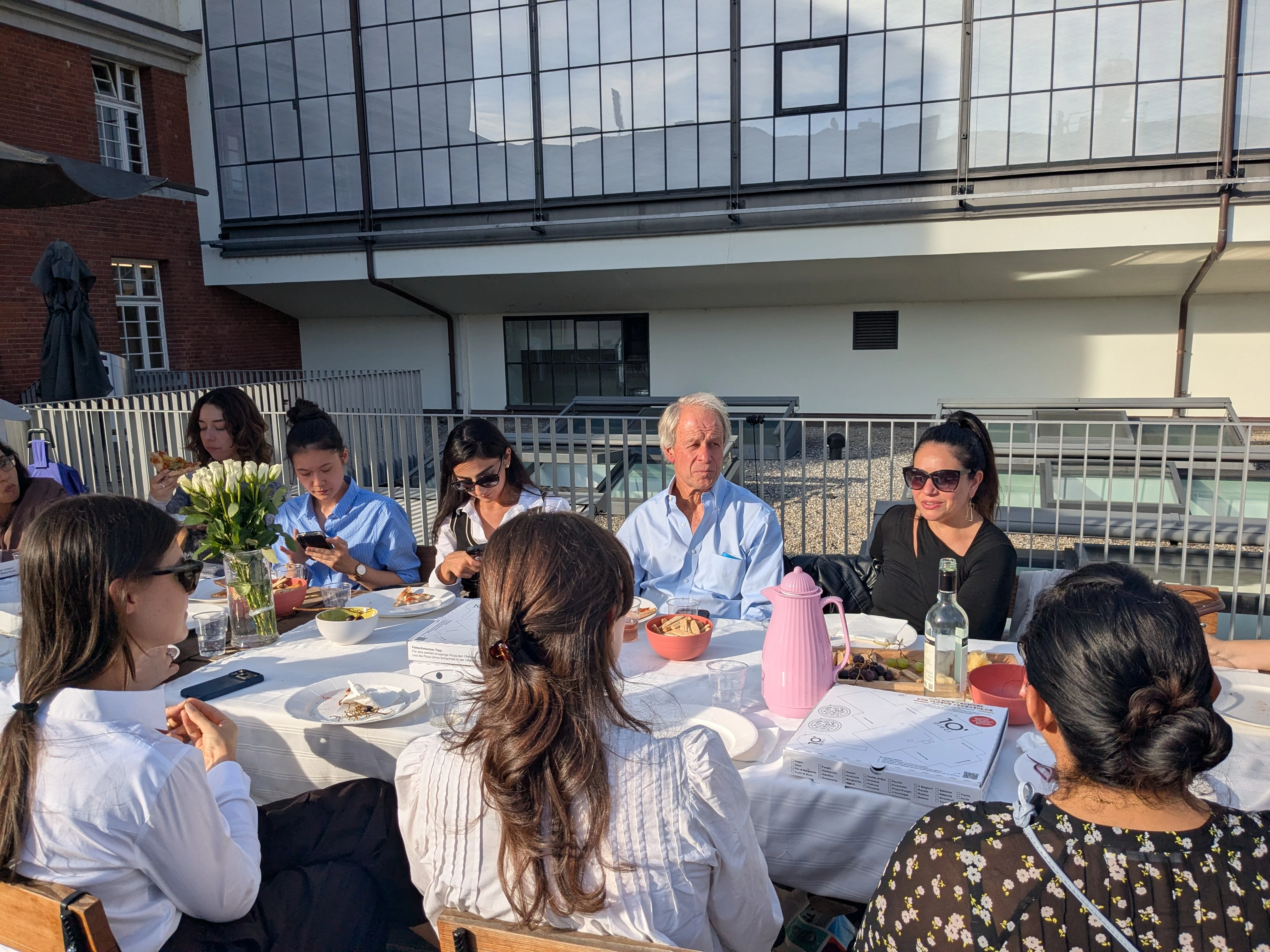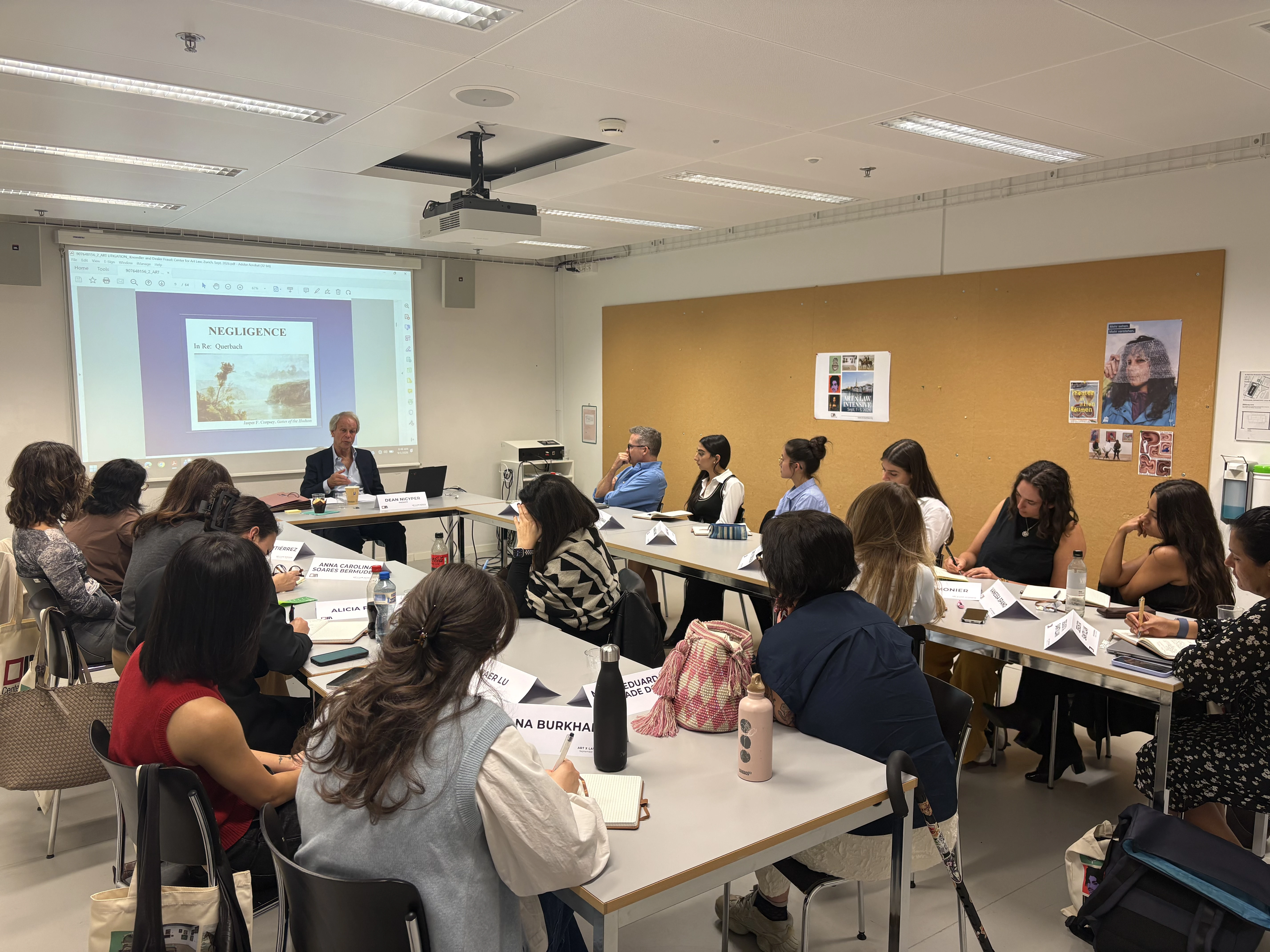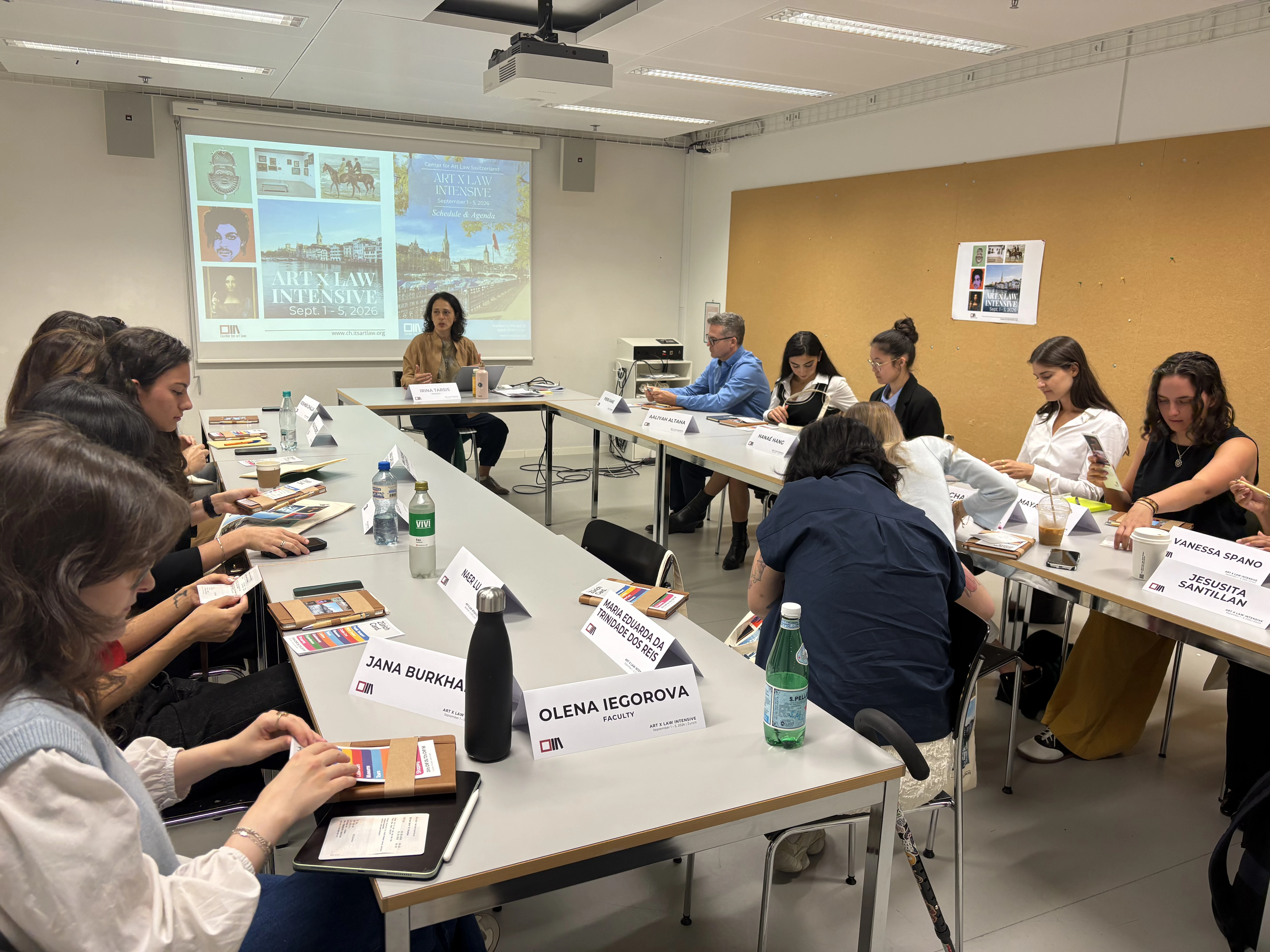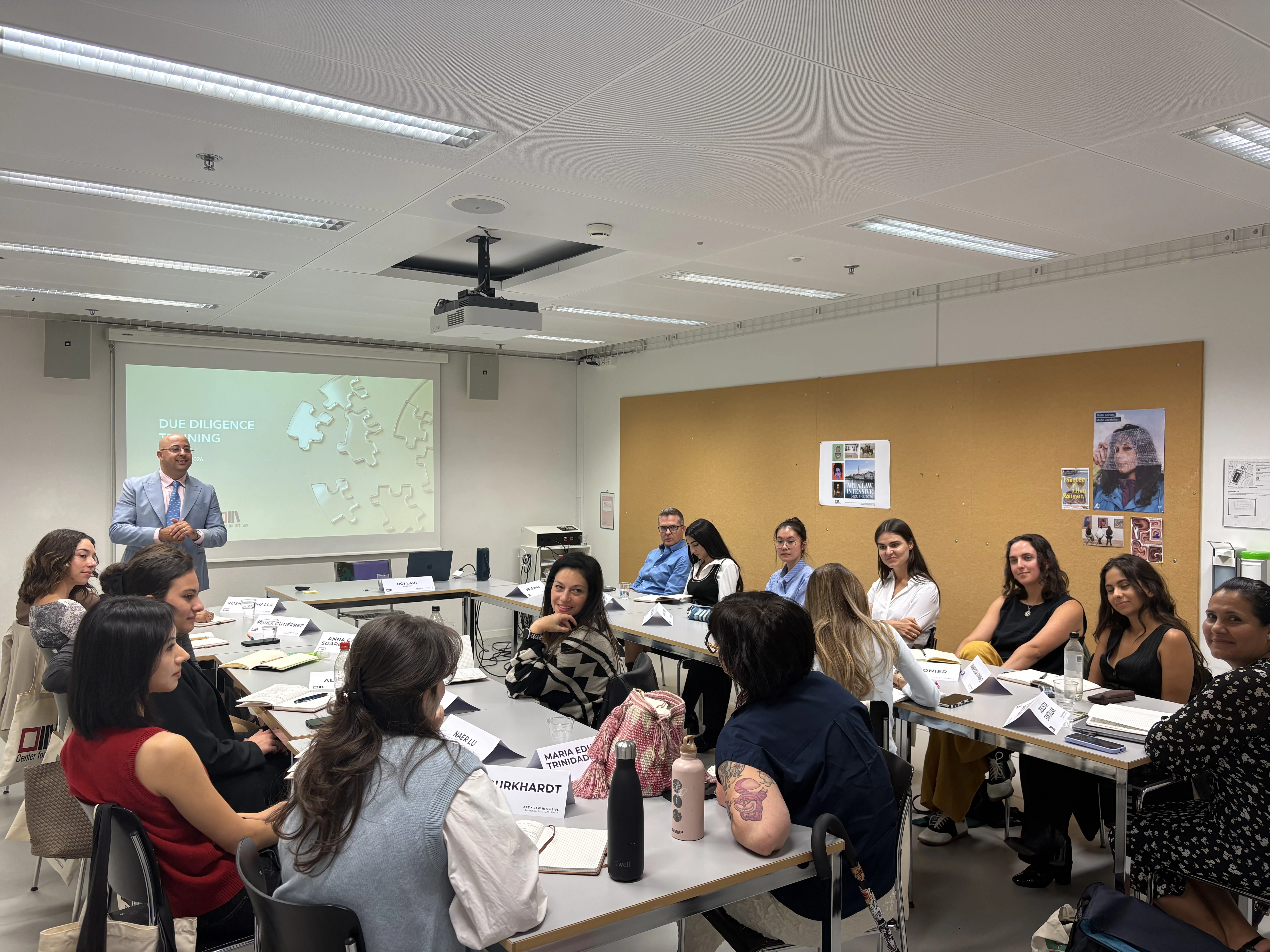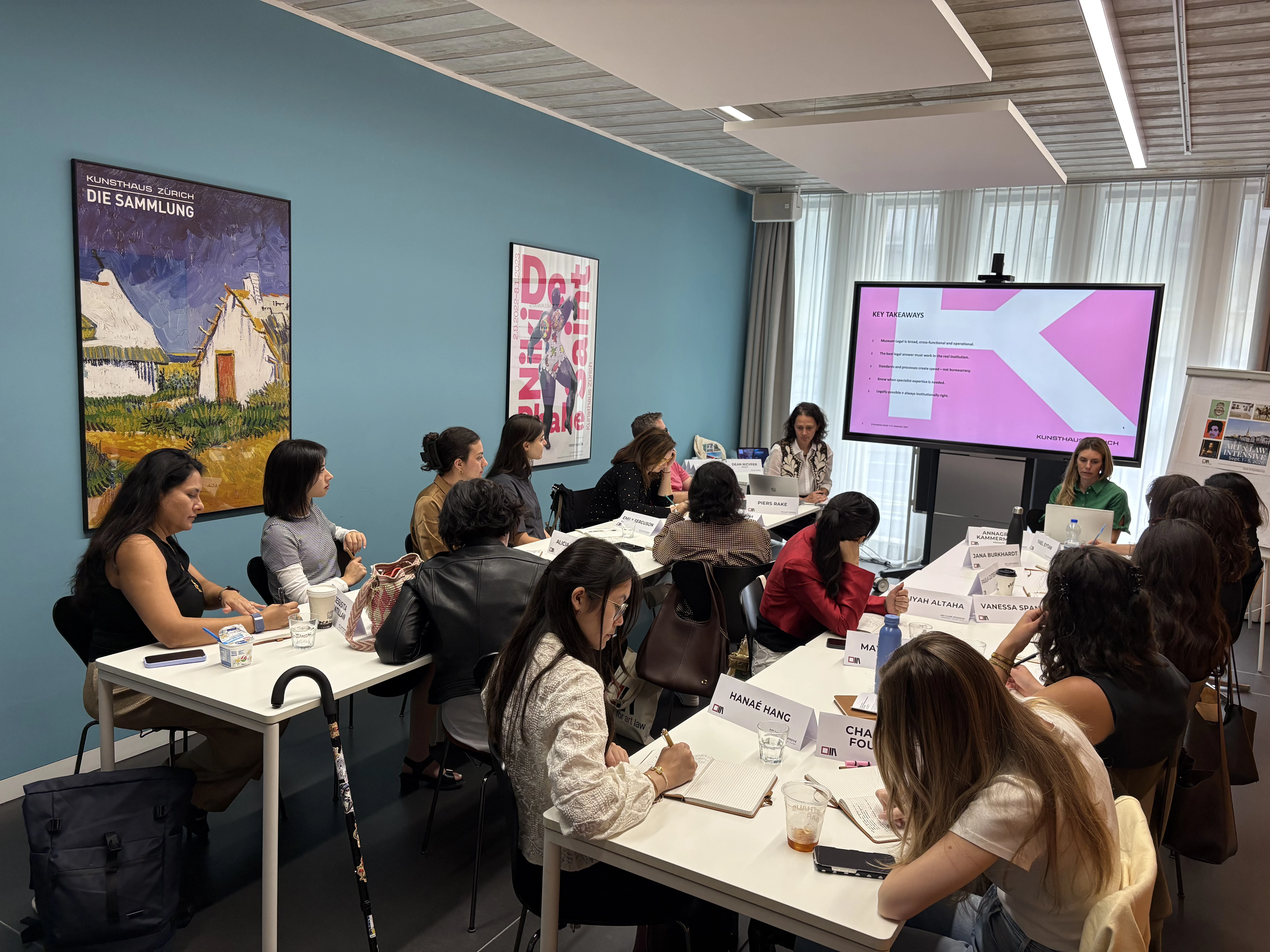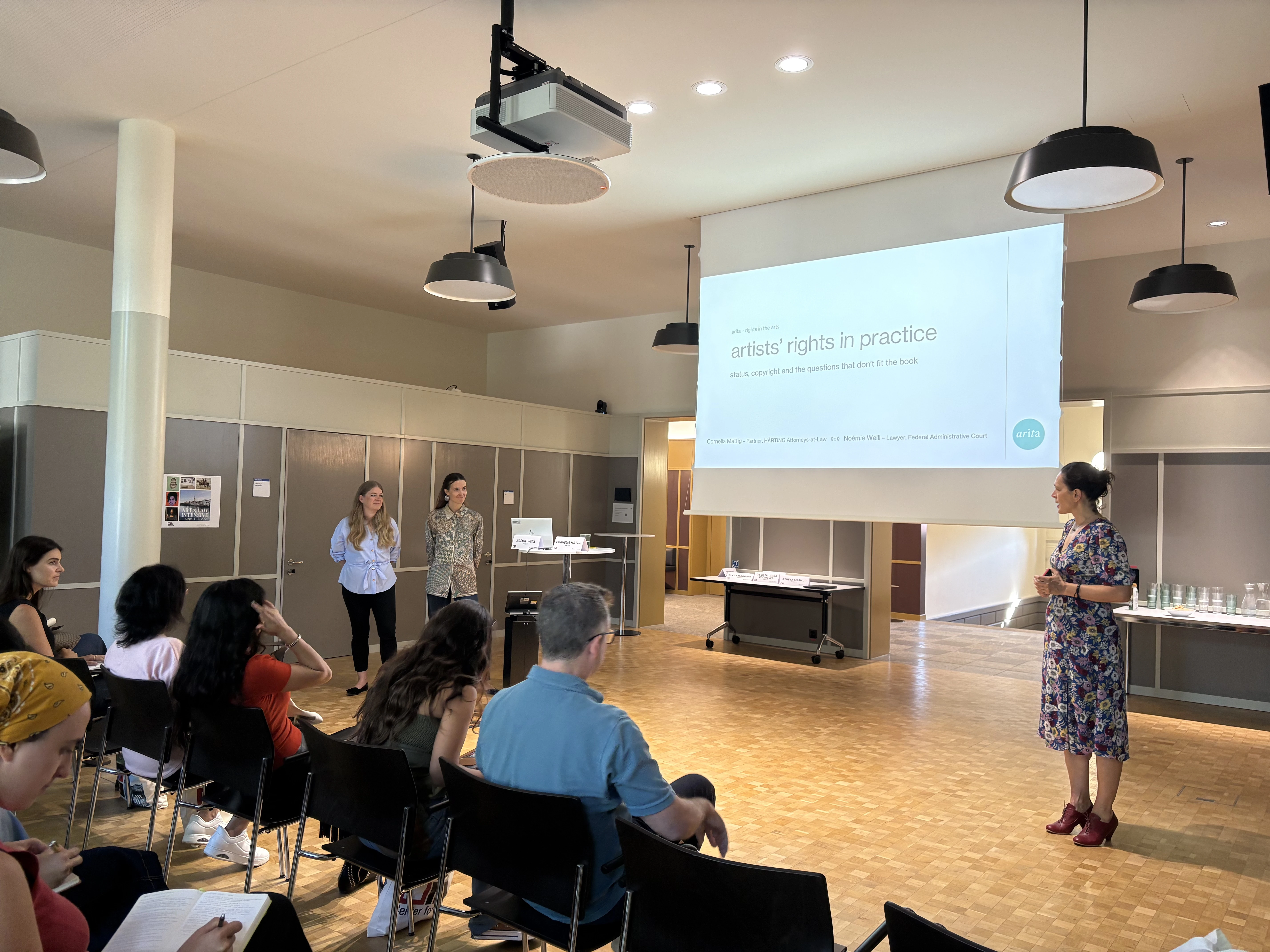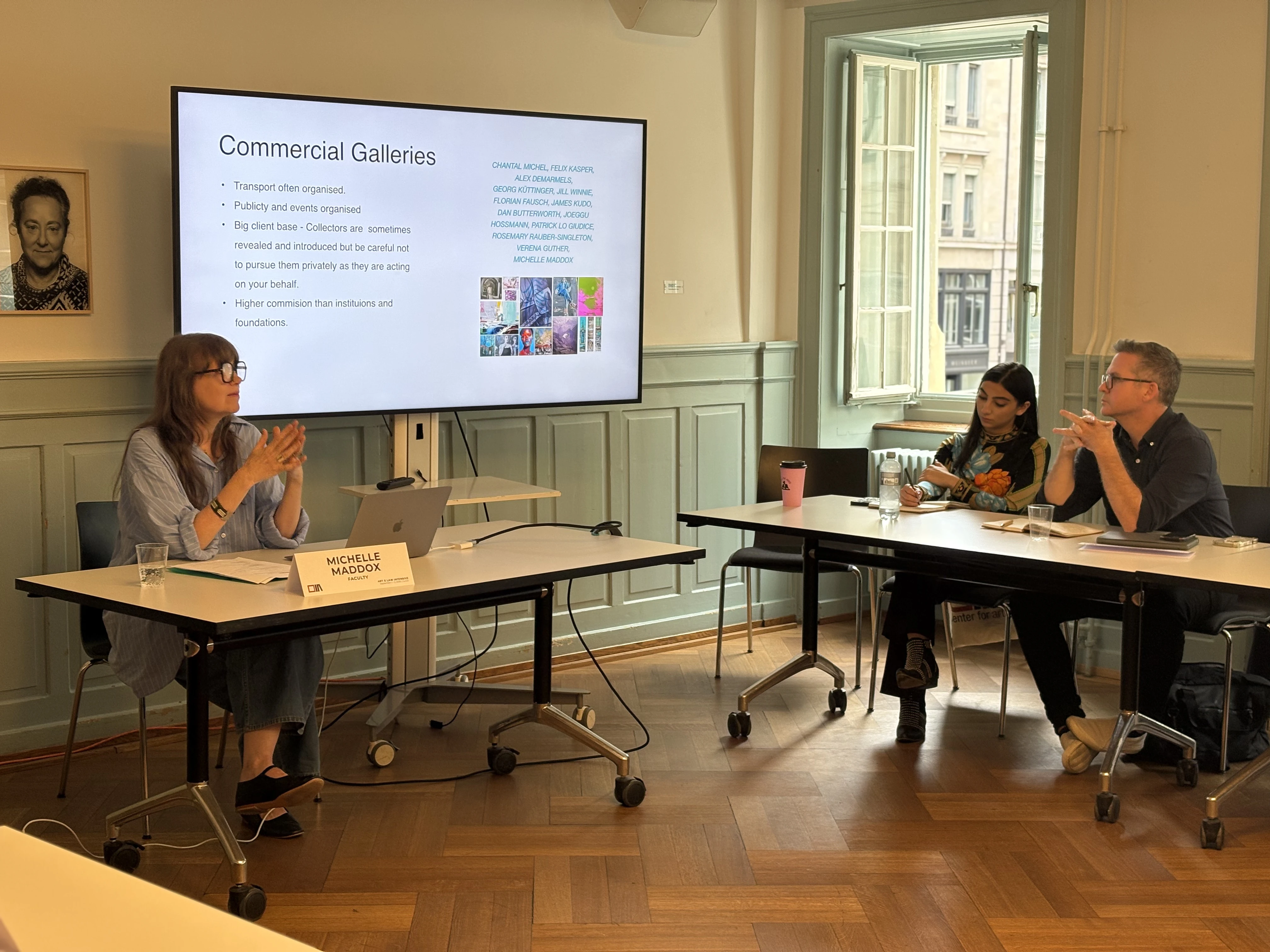
ART x LAW INTENSIVE
Grüezi mitenand! Welcome to our ART x LAW INTENSIVE!
Globalization of the art world is leading to an increasing reliance on art law to provide a bridge between a complex web of art market stakeholders. Join us in the heart of Europe to explore art and law connections. Major course units offered in this Zurich 2026 Edition of the Art x Law School will focus on the legal issues relevant to visual artists, gallerists, collectors, and museums. The intensive course lectures will review the basics of and examine the current state of relevant contract and property law, address provenance and restitution issues as well as copyright and fair use questions. Lectures will incorporate best practices for new technologies, dispute resolution mechanisms and museum administration.
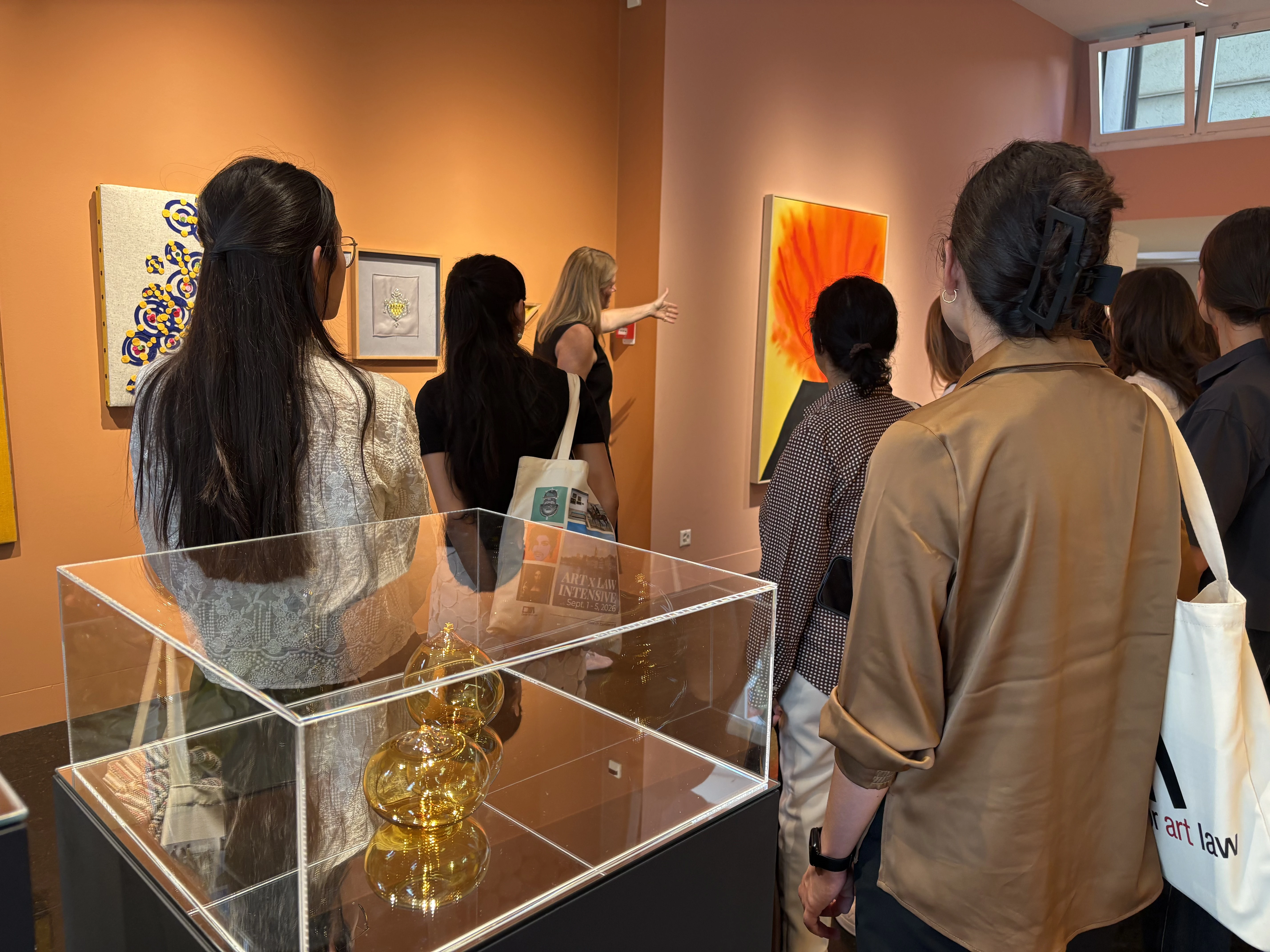
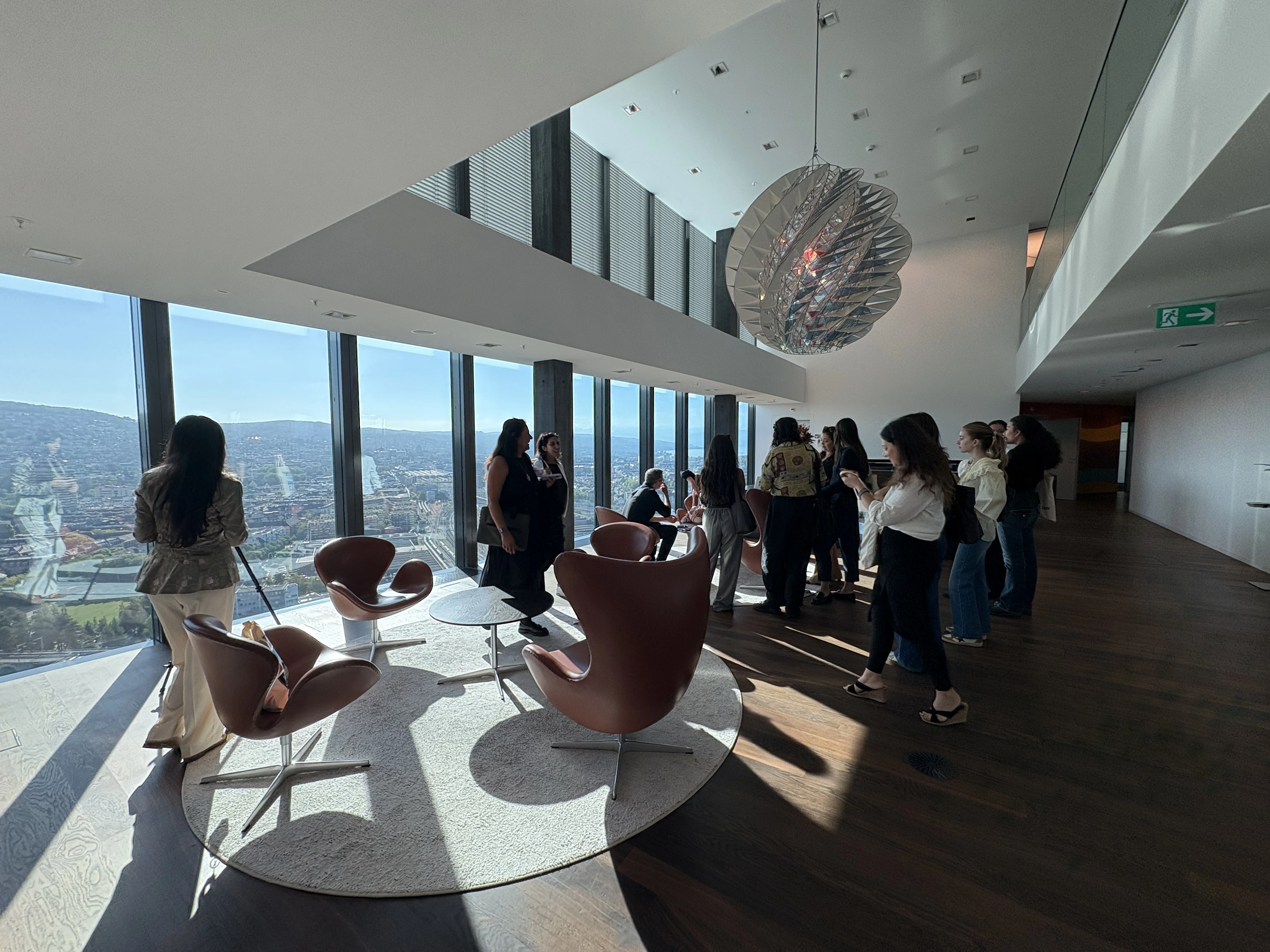
Courses are taught by leading experts in the art law field, featuring transactional and litigation attorneys, law professors, art market analysts, artists, dealers, provenance researchers and journalists. The program will combine classroom and lecture format with field excursions and networking with attorneys, gallerists and artists, as well as museum and auction visits.
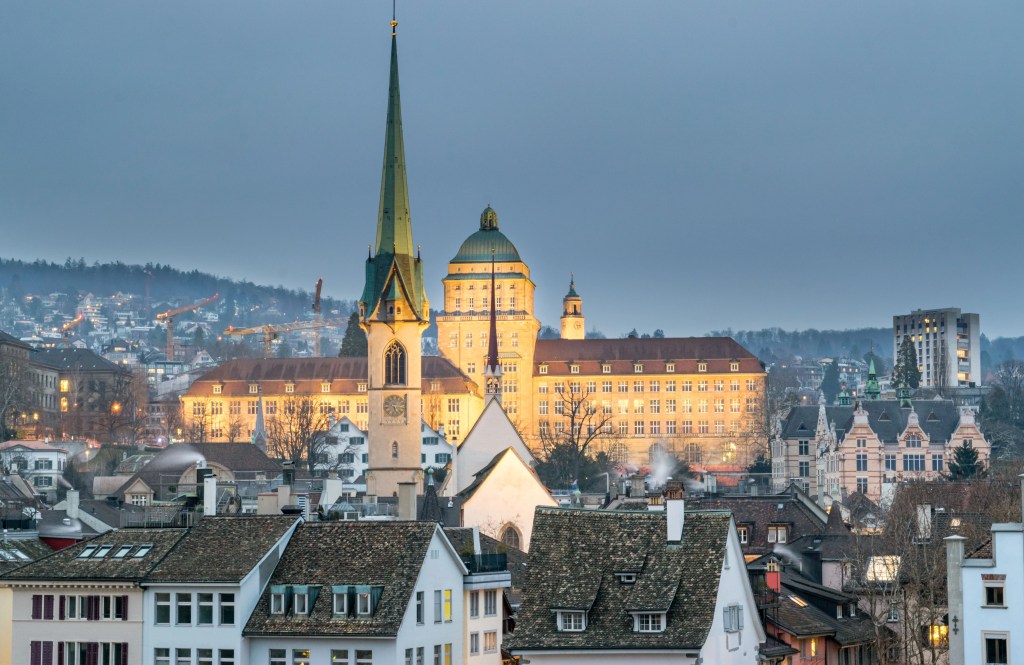
This five-day intensive program is hosted by museums, law firms, and cultural institutions and universities in Zurich.
A Five-Day Intensive Program in Zurich
-
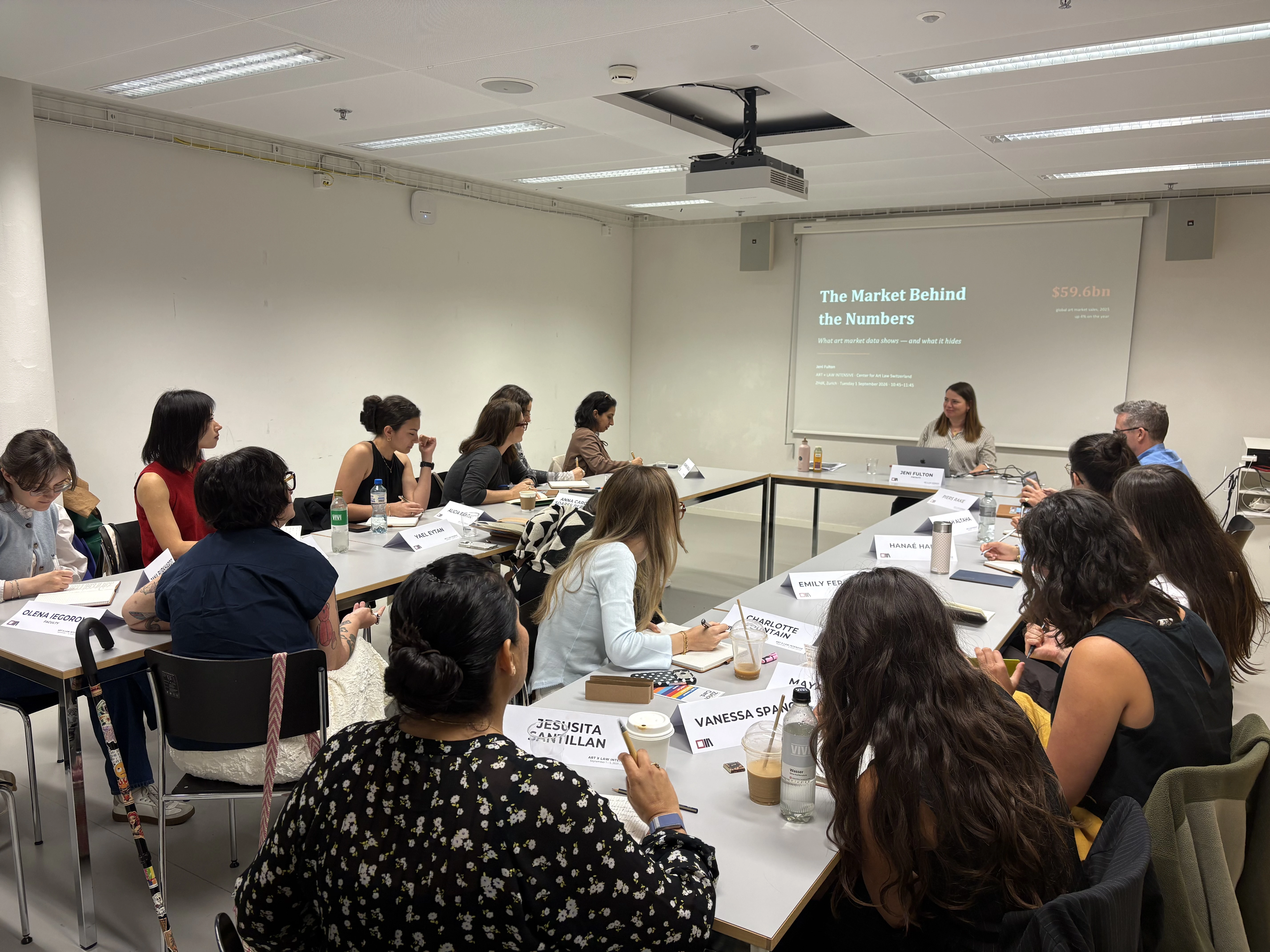
The first day of the program introduces participants to the foundations of art law and the structure of the global art market. Beginning with an overview of the primary and secondary markets, participants will explore the legal relationships that shape the visual arts ecosystem, from artists and collectors to galleries, auction houses, and advisors. Guest lectures will examine core topics including copyright, contracts, the duties of art market professionals, and the legal frameworks governing the creation, circulation, and stewardship of art. The day concludes with a networking reception, bringing together students, faculty, and professionals to foster connections within the international art law community.
-
The second day focuses on provenance research and its central role in art law, collections management, and the international art market. Participants will examine the methods, resources, and tools used to trace the ownership history of artworks and cultural objects, while exploring recent developments in property law related to restitution, repatriation, and ownership disputes. Through case studies and expert perspectives, the program will highlight the legal, ethical, and historical considerations that shape provenance research and the evolving responsibilities of museums, collectors, dealers, and other art market participants.
-
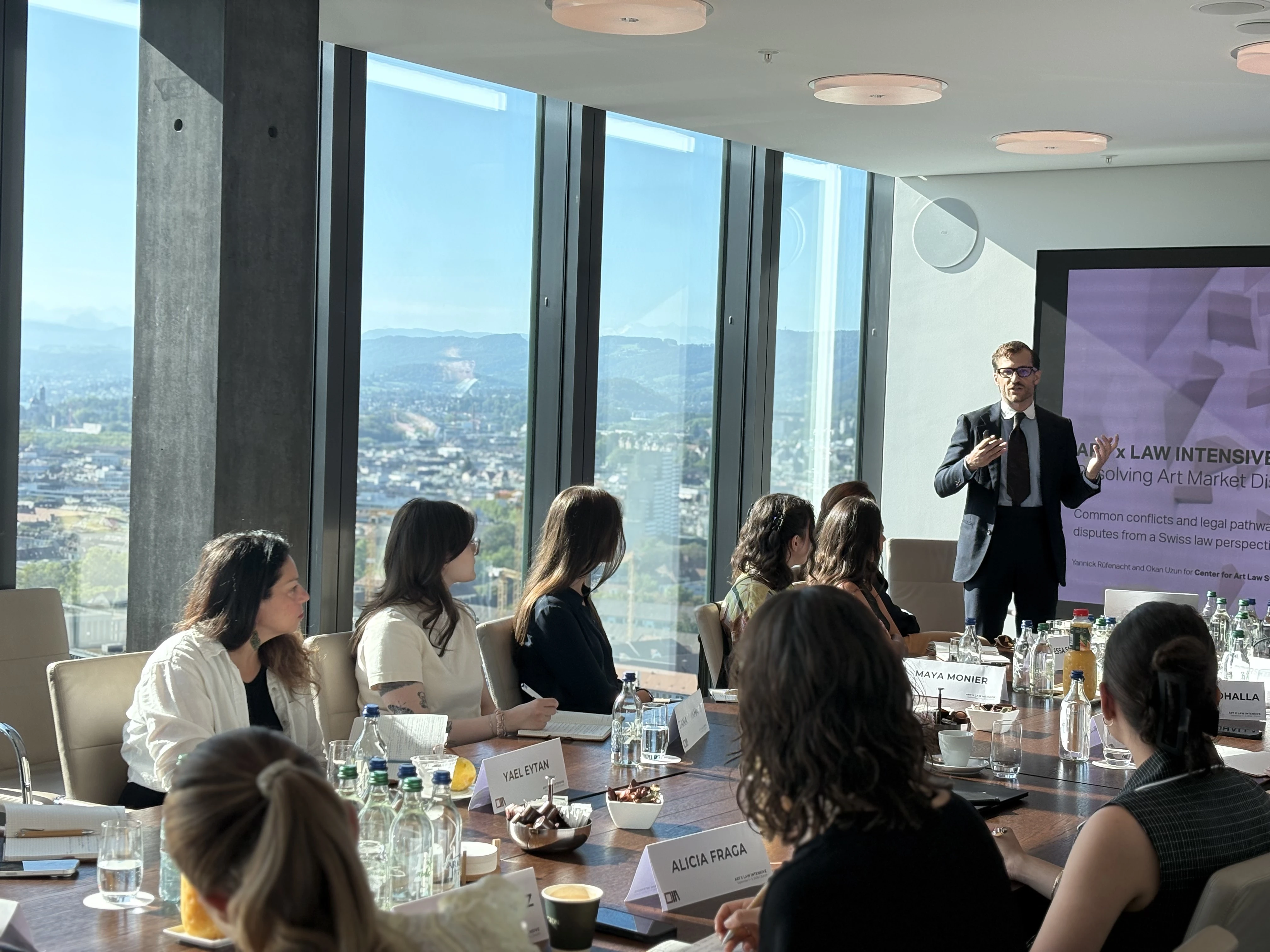
The third day focuses on disputes in the art world and the mechanisms available for their resolution. Participants will examine the most common sources of conflict in the art market, including issues of ownership, authenticity, contracts, and cross-border transactions. The program will also introduce the legal and practical frameworks for resolving such disputes, including litigation, arbitration, mediation, and alternative dispute resolution, with a particular emphasis on art-specific approaches.
Through expert perspectives, the day will highlight how legal practitioners navigate complex, high-value, and often international cases within the cultural sector.
-
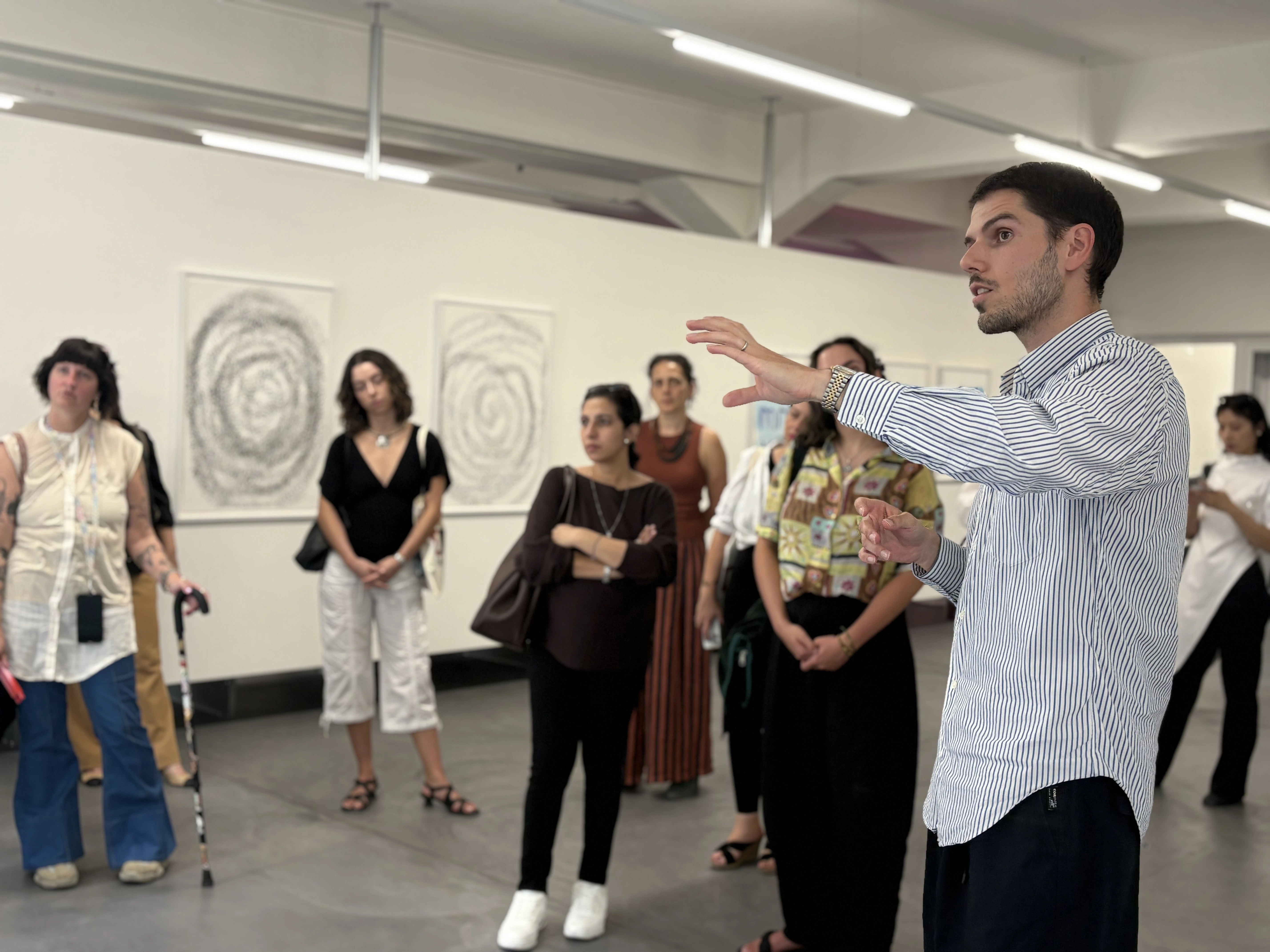
The fourth day examines copyright law in the context of the visual arts, with particular attention to the rights of artists, collectors, and cultural institutions. Participants will explore the fundamentals of copyright protection, licensing, and fair use, alongside current international developments and the role of organizations such as the World Intellectual Property Organization (WIPO). The program will also introduce the rapidly evolving intersection of artificial intelligence and art, examining emerging litigation and legal questions surrounding AI-generated works, authorship, and intellectual property. The day concludes with a studio visit to a contemporary artist, offering participants an opportunity to connect legal concepts with artistic practice.
-
The final day explores the evolving role of museums as stewards of both physical and digital collections within the global cultural landscape. Participants will examine the distinction and interaction between private and public institutions, alongside the legal and ethical frameworks that govern collection management, access, and preservation.
Special attention will be given to international standards and guidelines, including the work of ICOM, as well as innovative approaches to public engagement such as the “Night at the Museum” concept. Through contributions from leading collectors, legal experts, and institutional voices, the day will highlight how museums are adapting to new technological, curatorial, and societal challenges.
Details and Deadlines
Taking place in Zurich, the program will provide participants with a foundational understanding of art law, opportunities to explore key issues in the field, and access to a network of professionals and peers with shared interests. Participants will also have the opportunity to see how things work from a hands-on and practical perspective by visiting museums and galleries, artist studios and law firms, and speaking with professionals dedicated to and passionate about the field.
Ideal for undergraduate and graduate students, pre-law and law students, young attorneys, and professionals in the legal and art world who want first hand knowledge of art law while networking with your peers. Whether you are pursuing a career in law, art, or a related field, this program offers an unparalleled opportunity to expand your understanding and connections.
Key Details:
Dates: September 1 – September 5, 2026
Location: Zurich (venues include visits to museums, universities, law firms, galleries, and artist studios)
Cost: CHF 2,500 (includes classes, course materials, outings, visits, and a networking event apero; **accommodation and food is not included)
Language of Instruction: English
If you have any questions or would like to learn more about the program, please reach out to: zurich@itsartlaw.org
-
- Applications Open: July 7, 2026
- Application Deadline: July 31, 2026
- Decisions Released: August 10, 2026
-
The program fee of CHF 2,500 is due upon acceptance to the program. Payment instructions will be provided with your confirmation email. Accepted participants will also receive detailed information about class schedules, field trips, and other program logistics upon confirmation.
-
Participants will receive a list of recommended accommodations.
Tentative Schedule
Day 1 – Welcome to Zurich! Framing Art Law: Markets, Meaning & Legal Foundations
- What is Art Law and how does it operate across legal, cultural, and commercial contexts
- How the primary and secondary art markets function and how value is created and transferred
- The role of contracts in the art world, including artist-gallery, consignment, and sale agreements
- Copyright fundamentals and how they shape artistic production and circulation
- Key actors in the art ecosystem and their legal and practical responsibilities
- Creative economies and the relationship between culture, value creation, and legal frameworks
- Evening networking reception connecting students, faculty, and cultural professionals
Day 2 – Tracing Value: Provenance, Ownership & Restitution
- Provenance research as a methodological tool for reconstructing object histories
- The legal meaning of ownership in art and cultural property under private law systems
- Property law principles applied to the circulation, transfer, and restitution of artworks
- Restitution frameworks for cultural heritage, including historical and contemporary claims
- The legacy of Nazi-looted art and ongoing legal and ethical restitution processes
- Museums, archives, and private collections as custodians of contested cultural objects
- The role of documentation, gaps in provenance, and evidentiary challenges in art law
Day 3 – When Things Go Wrong: Disputes, Claims & Regulation
- The most common sources of conflict in the art market: authenticity, title, and contract disputes
- Legal pathways for resolving art disputes, including litigation, arbitration, and mediation
- The evidentiary challenges of proving authenticity and ownership in high-value art cases
- Cross-border transactions and jurisdictional complexity in international art trade
- Regulatory frameworks governing the art market, including compliance obligations and risk management
Day 4 – From Human Creativity to Artificial Intelligence: Copyright in the Digital Age
- Foundations of copyright law and its application to visual artists and creative works
- Moral rights, authorship, and the protection of artistic integrity across jurisdictions
- Licensing structures and the legal mechanisms enabling circulation and reproduction of artworks
- Artificial intelligence (AI) and its impact on authorship, originality, and creative ownership
- Digital art, appropriation, and the evolving boundaries of infringement and fair use
- Contemporary art litigation and emerging legal disputes in the digital and AI era
Day 5 – The Future of Collecting
- The evolving role of museums as private and public institutions within the global art ecosystem
- Management of physical and digital collections and the legal challenges of preservation and access
- International museum standards and ethical guidelines, including the role of ICOM
- Public engagement strategies and the transformation of cultural institutions in a digital age
- Collecting practices, stewardship responsibilities, and intergenerational transfer of cultural assets
- Future directions of art law in relation to technology, institutions, and global cultural policy
- Closing reception and final exchange between participants and professionals